
Contactless eGates Coming Soon
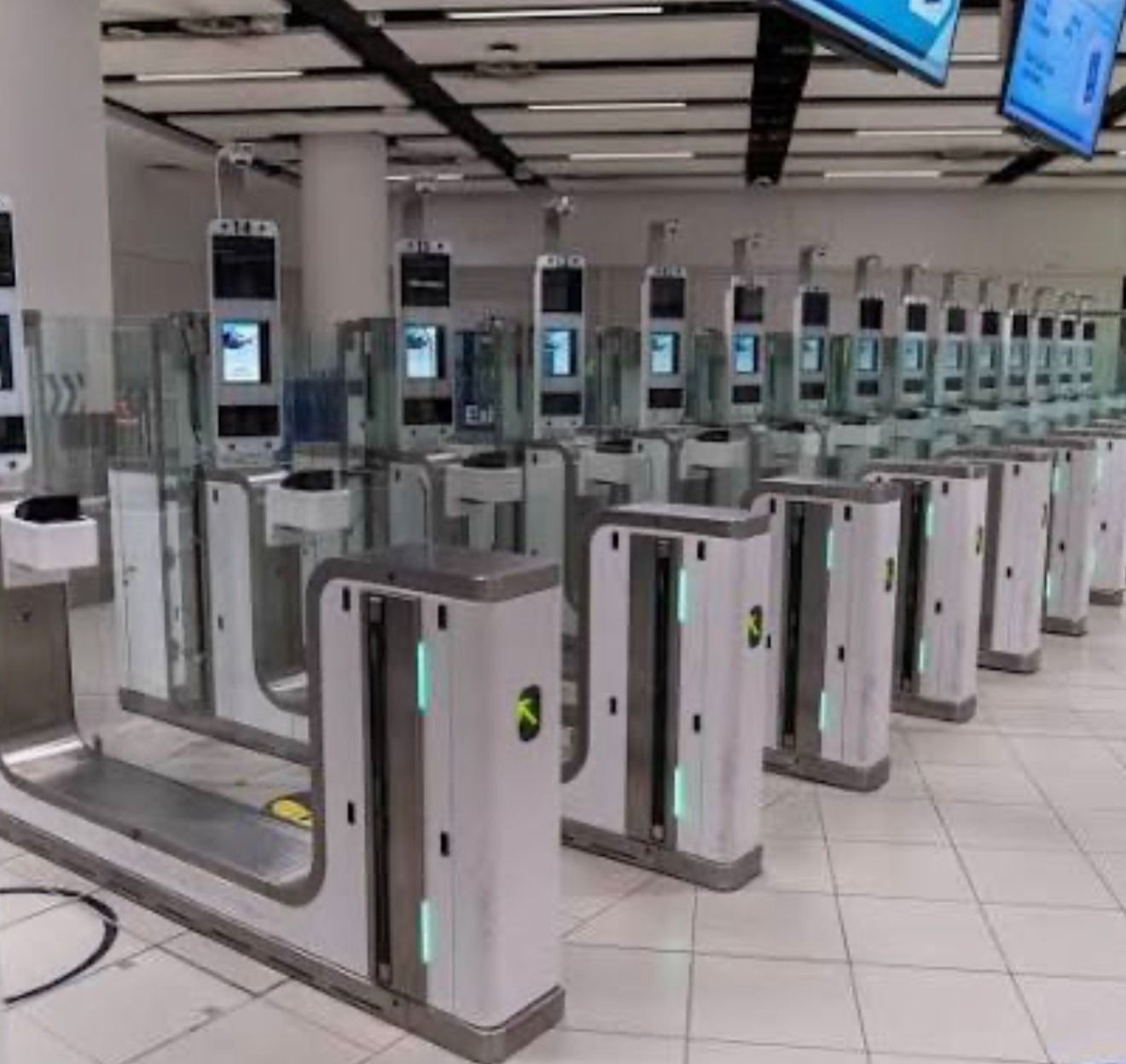
Whilst eGates have sped up airport waiting times, I still find myself wondering whether the whole process could be shorter. After a long flight, retrieving a passport, finding the photograph page and positioning it on a scanner can feel unnecessarily fiddly. Surely there is a simpler way?
Contactless eGates offer the next step. Eligible passengers look into a camera and, once their identity and border checks are completed, pass through without placing their passport on a reader.
The technology is already in use at East Midlands and Birmingham airports, with rollout to other UK airports, including Heathrow and Gatwick, expected to be completed by early 2027.
How does it work?
Conventional eGates already use facial comparison technology, matching a live camera image with the photograph stored in a passport’s electronic chip.
Contactless gates remove the document-scanning step when verification succeeds. The system checks the passenger’s facial image against passport, travel and immigration information before opening the barrier. For the traveller, the instructions are straightforward: enter the gate, look towards the camera and wait for clearance.
Similar technology is already operating internationally, including at Singapore’s Changi Airport and Dubai International Airport. Eligible passengers can complete immigration checks using biometrics without routinely presenting their passports, although local eligibility and registration requirements vary.
How much faster is it?
Official testing found that the UK’s contactless process could be up to 25 per cent faster than using a passport at an eGate. That figure refers specifically to the gate transaction, rather than the entire arrival experience.
Queues, additional checks and baggage delivery will still affect how quickly passengers leave the terminal. However, reducing the time each person spends at a gate could improve the flow through immigration, especially during busy arrival periods.
For frequent travellers, the benefit is simple: less document handling and one fewer task after a tiring flight.
Will you still need your passport?
Yes. Contactless clearance changes how identity is checked at a participating gate; it does not replace the passport.
Passengers must continue travelling with a valid passport and keep it accessible. If contactless verification cannot be completed, they may be asked to scan their document or speak to an officer. Immigration and security checks remain in place.