
Does ‘Do Not Disturb’ Still Mean What We Think?
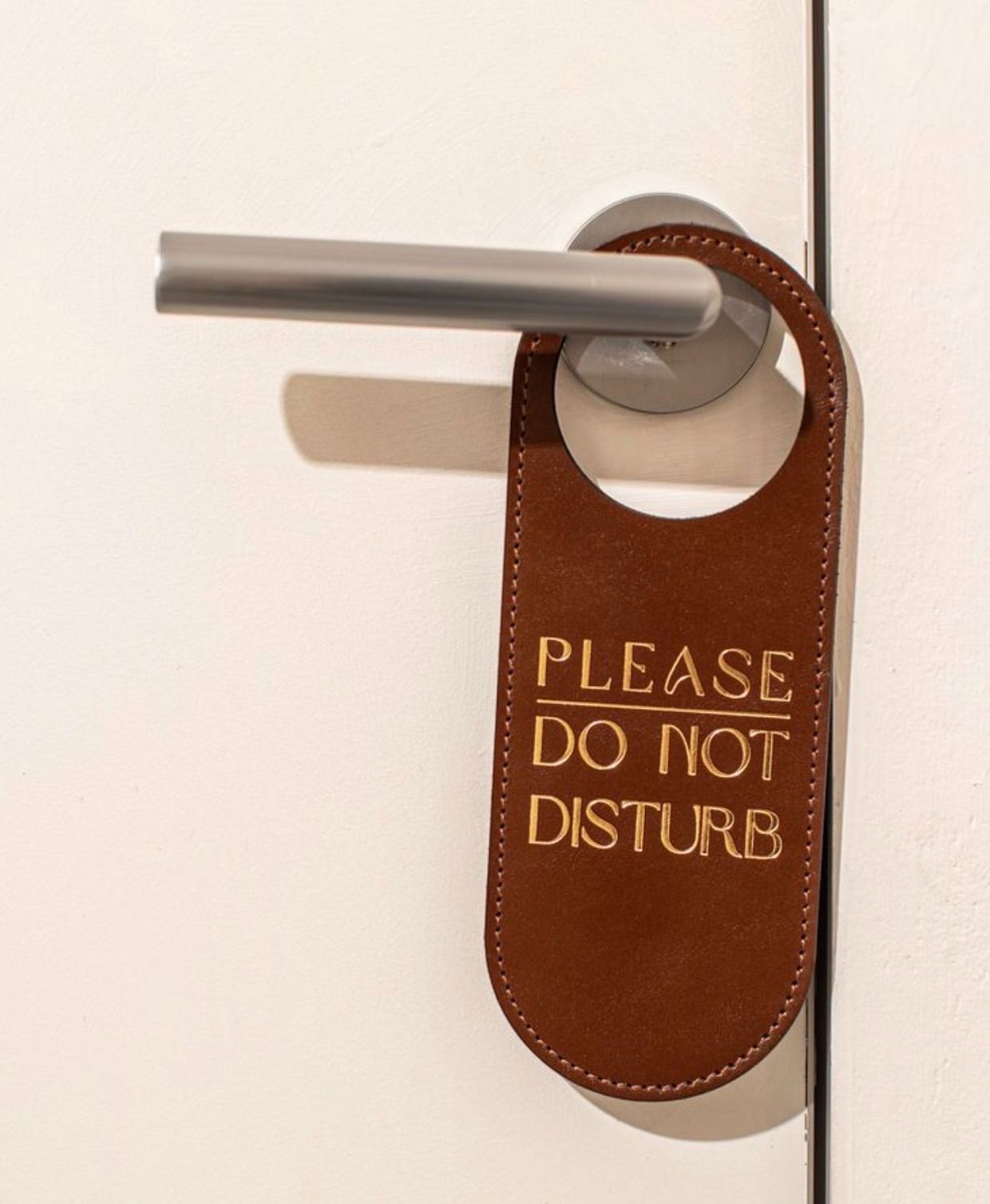
When I put a ‘Do Not Disturb’ sign on a hotel door, I expect a lie-in, an uninterrupted shower or a few quiet hours without housekeeping knocking. I suspect most guests assume much the same.
But that familiar door hanger does not necessarily prevent staff from entering. Some hotels have policies allowing room checks even when guests have asked for privacy.
What has changed?
This is not an entirely new development. Several hotel groups reviewed their procedures following the October 2017 mass shooting in Las Vegas, bringing the balance between guest privacy and hotel security into sharper focus.
Disney replaced ‘Do Not Disturb’ signs with ‘Room Occupied’ at selected resort hotels. Its current published rules explicitly reserve the right to enter rooms for maintenance, safety, security or other purposes, even when the sign is displayed.
Hilton also revised its procedures in 2017, introducing escalation to security or management when a ‘Do Not Disturb’ sign had remained in place for more than 24 consecutive hours. Reports at the time described notices advising guests that management could check the room if access continued to be declined. These were changes introduced then, rather than newly announced rules.
Why do hotels need access?
The reasoning extends beyond housekeeping. Hotels need ways to identify potential welfare concerns, maintenance problems and suspicious activity.
I can understand the principle. A guest who has become unwell may need assistance, while a problem inside a room could affect others nearby. Equally, choosing to sleep late or decline fresh towels should not automatically make someone feel under suspicion.
For me, the issue is how clearly a hotel explains its approach. Guests should know whether declining housekeeping could lead to a separate room check, how frequently checks happen and what notice staff will give.
What should guests do?
Policies differ, so it is worth asking at check-in, particularly if you are planning to sleep during the day after an overnight flight.
Ask whether the hotel carries out routine room checks, whether these apply when housekeeping is declined, and whether a suitable time can be arranged. Do not assume that opting out of cleaning also means opting out of every visit.
I still see privacy as an essential part of a comfortable hotel stay. Safety matters too, but the two depend on considerate service and clear communication. A discreet explanation at reception is far better than an unexpected knock—or discovering that the sign on your door means less than you thought.